


Wednesday Bubble: Packing heat? Tips for the road…


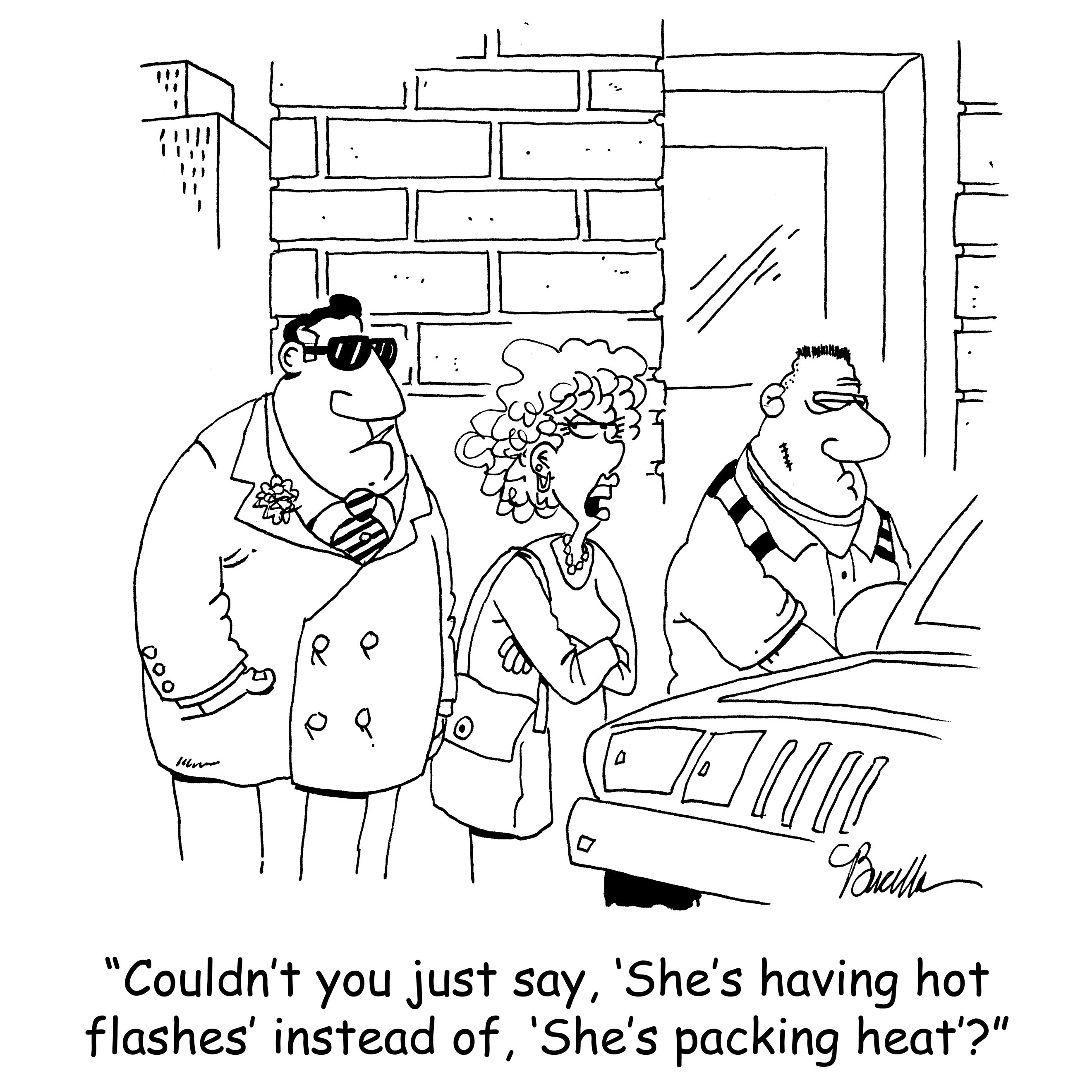
Ladies, are you packing heat?! Seems like there are more of us everyday. In fact, although hot flashes will never come into fashion, they certainly drive fashion choices for many women. The rules of the hot flash road are fairly obvious:
- Keep it light – sure, it’s 25 degrees outside. But you want to be able to remove clothing without being left with nothing on but your birthday suit. Consequently…
- Wear layers – layers, layers, layers. They will be your saviour; trust me.
- Consider wicking fabrics – cotton is great but it can’t wick the wet away from your body when it need it most. Athletic gear is most famous for the more fashionable wicking clothing so if you can get away with a few items, at least on the weekends, go for it. Just stay away from butt messaging and the leisure suit look!
- Pack a change of clothing if you can – it never hurts to be prepared.
- Be prepared to cool down quickly with something like ColdFront – my friend Susie Hadas has invented an easy to hide, readily accessible, personal cooling system. When you’re packing heat, be sure that you’ve got ColdFront on demand.
- Lose the heavy baubles – talk about a sweaty, heavy load!
Got more tips that work best for you or additional instructions for other readers? We’re all ears!
Read MoreWednesday Bubble: Forget the Baubles!

[Image: http://bedrock.deadsquid.com/information/profiles/index.php?profile=wilma]
You need Hot Girls Pearls!
I’m giving full credit to my BBFF Amy Zimmerman for this fantabulous find. And if you are wondering about these baubles, they’re for all you flashing fashionista babes who think being cool and confident isn’t just a cliche. In fact, Hot Girls Pearls contain an icy gel to make sure that you won’t be sweating at the office or during a dinner date. Going out for a hot night on the town? The only thing that’s gonna be hotter than you sister is that woman next to you without her pearls! That is, if you dig the “Wilma Flintstone” look (as Amy points out). And lordy lord, how much do these babies weigh, anyhow? Just looking at them causes me to break into a sweat.
Still, I haven’t tried them and you know what they say “don’t knock it til you try it.’ Personally, this isn’t my look and big pearls are just baubles gone bad in my book.
Yikes! This one’s got ‘burstable’ written all over it.
p.s. show Amy some love and visit her wonderful blog post about these babies…
Read More
Happy Birthday!
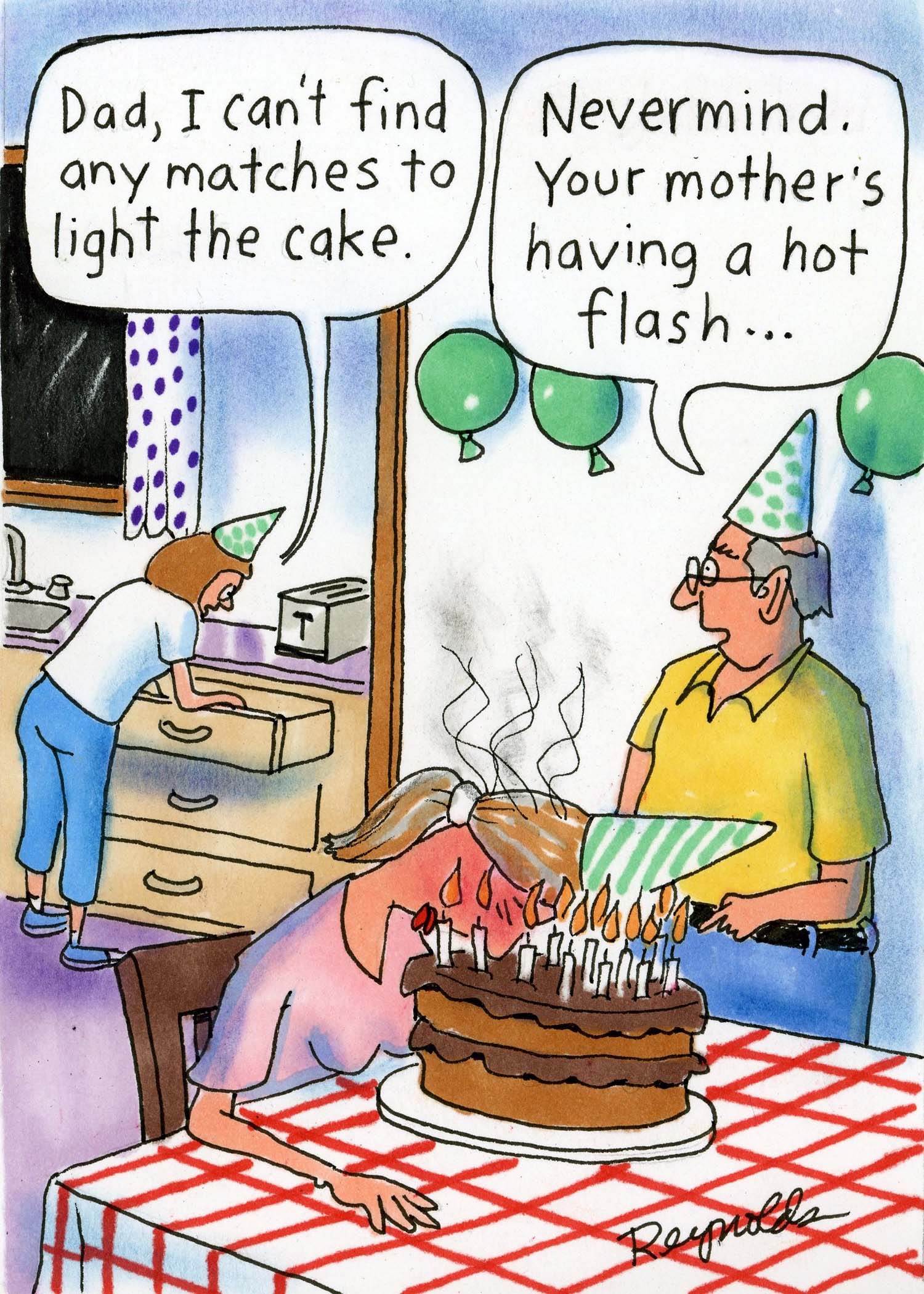
I know a few fine women with birthdays this month. Bet you do too. So in their honour, I am simply saying, if you can’t find any matches…
It’s Friday! Time for some folly and fun!
Forecast: there’s a Coldfront moving through
“Cold front” you say? But it’s Spring in the Northeast and temps have been pretty warm.
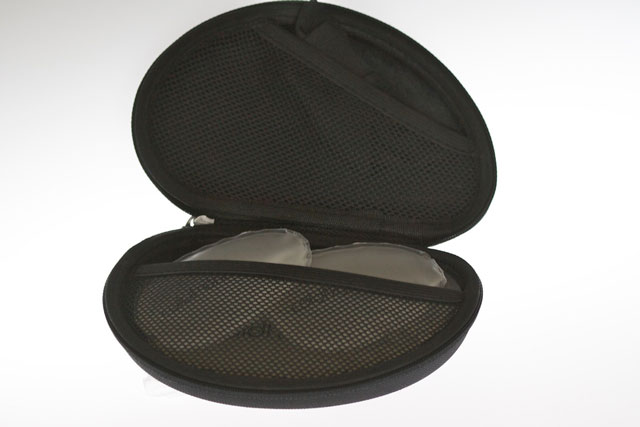
Nope, not Cold Front, but Coldfront®, a new personal cooling system designed to cool flashes when they hit.
Coldfront is not unlike Cleavage Coolers, the revolutionary product that fits right into your bra like rubber chickens. However, these nifty little Coldfront packs fit into a container the size of a sunglass case, are the size of your palm and reportedly soft to the touch and stay cold all day because of a built-in cooling core. When those hot flashes hit, just pull one of these babies out and palm those sweats right out of your life. No drugs and a reusable cloth that wicks moisture away. The company describes Coldfront as “safe, effective, discreet, convenient, mess free, environmentally friendly” and best of all: “elegant.”
I’m not entirely sure about the last adjective and hardly believe that the carrying case would easily double as a purse on a night out on the town. Still, Coldfront is not the first product based on cold technology to address the body’s sudden inability to regulate its internal thermometer. And yet, at a pricepoint of $50, it seems like a reasonable investment compared to other HRT alternatives that require a bit more of a time and financial commitment.
I have not seen the product nor do I know anyone who’s used it. Personally, I am a bit skeptical but it’s my job to be. And, I never truly believe testimonials on a website; what company publishes negative feedback? What’s more, the product, like cleavage coolers, the bedfan, the chillow, chillipads and gelmats, all rely on a woman who wants some ice, ice, baby! I dunno, but I run hot/cold on this whole approach.
Have you heard of Coldfront? Have you personally used the product? Inquiring minds need to know!
Read MoreFlashes and body composition and age, oh my! What’s the relationship?

For some time now, experts have made the connection between body mass index (BM() and hot flashes during menopause, theorizing that body fat offer protection against hot flashes since androgen hormones are actually converted into estrogens in body fat. On the flip side? Women with lower BMI should have more frequent hot flashes. However, this hypothesis — formally known as the “thin hypothesis” – has recently been questioned, especially among researchers whose studies have shown the opposite: that a higher BMI leads to more hot flashes because the fat acts to insulate the body and prevent heat dissipation. In the middle of this argument are women, overweight, underweight, normal weight, who may have an opportunity to prevent hot flashes before they worsen or at least ameliorate them.
To more thoroughly tease out the underlying causes of hot flashes as they relate to body composition, researchers evaluated a subset of 52 women participating in the larger Study of Women’s Health Across the Nation (SWAN, an ongoing trial at seven sites across US that are examining women’s health in middle age). These women were African-American or non-Hispanic Caucasians between the ages of 54 and 63, mostly overweight, in menopause and reported experiencing hot flashes or night sweats. None were taking hormones or antidepressants, and still had their uterus.
In the study, published online in the Journal of Clinical Endocrinology and Metabolism, broad measures of central abdominal fat/total percentage of body fat, BMI and waist circumference and blood hormones were taken. Over two, 48-hour periods, participants also wore a monitor to evaluate the frequency and severity of hot flashes and were asked to both complete electronic diaries and press buttons on their monitors that would notate when they were experiencing symptoms.
The result? A higher percentage of body fat, BMI and waist circumference were associated with a reduction in the frequency of hot flashes only in women who were 59 or older. Moreover, this association was restricted to Caucasian women in the study compared to their Black peers. However, in so far as the interaction between estrogen levels (and sex hormone-binding globulin) and body composition, researchers found that higher levels reduced but did not fully eliminate the distinctions in hot flashes and age.
So, why the differences compared to other studies? Others have looked as self-reported hot flashes via questionnaires while this one actually took physiological measures of hot flashes via the monitors that the women were wearing. The researchers also looked specifically at the link between size, weight and proportions of the women and hot flashes rather than risk factors of any or no hot flashes.
Importantly, data are starting to emerge that show how BMI/adipose fat and the relationship to reproductive hormones varies by age and menopause status, with higher estrogen levels related to older, menopausal women and lower to younger women. What’s more, while body fat may act to produce estrogen in older women to play a role in regulating body heat and dissipation, it seems to play a different role in younger, overweight women, predisposing them to hot flashes. Finally, wellbeing also appears to play a role in symptoms: in this case, women who were anxious reported more hot flashes and hot flashes tended to increase anxiety.
Should you care?
Although the sample size is small, the is first time that researchers have considered how age and race affect the way that obesity may affect hot flash frequency. It’s worthwhile filing it under “useful information,” especially when it comes to perimenopause and preparing to deal with full blown symptoms as you enter menopause.
A special thanks to my pal Ivan Oransky, executive editor of Reuters Health and author of Retraction Watch for giving me a heads up on this study. Thanks Ivan!
Read MoreArchives
Tags

This work is licensed under a Creative Commons Attribution-NonCommercial-NoDerivs 3.0 Unported License.