


Can you massage your way to sleep?


 Insomnia! Yes, folks, it’s that time of the year when I raise the sleep issue. In fact, if I could, I would see your zzz’s and raise you a few. You see, I’ve not been sleeping much as of late and I’m desperately seeking a sheep or two to carry me deeply through the night.
What happens to us as we age that interrupts the sleep cycle? In addition to stress and other environmental factors (which I’ve covered quite frequently on Flashfree), a progressive decline in estrogen and loss of ovarian function can strongly affect sleep. However, experts say that despite the pervasiveness of sleep issues among peri- and post-menopausal women, insomnia is not always adequately discussed or diagnosed by health practitioners. Hence, it behooves women to lead the communication charge when sleep disorders arise or start to affect daily life.
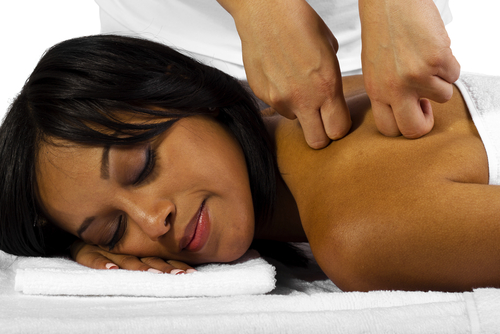
If you would prefer to avoid the hormone route (which, at the very least, may address the issue of menopausal symptoms and sleep disruption), massage might be a good starting point. While some practitioners questions its therapeutic value from a scientific standpoint, massage is known to positively activate blood flow in the lymphatic system (whose primary role is to rid the body of toxins, waste and other unwanted materials), as well as in the connective tissue and muscles. Studies have also shown that massage helps trigger neurochemical reactions in the body, including relaxation, decreased heart rate and breathing and restoration of balance. With regard to menopause specifically, there are some data that suggest that therapeutic massage decreases self-reported insomnia and improve deep sleep cycles. In a similar study, this time with a comparison group, researchers likewise found declines in insomnia and related improvement in life quality. Not surprisingly, in both of these studies, women also reported experiencing improvements in mood.
So, can you massage your way to sleep? While cause and effect remain unproven, the benefits of massage well outweigh the lack of benefits. I don’t know a single person who have not felt better after a massage. Me? I may need to book some me time for a deep rub.
Read More
Does your mattress act as a tonic for rest?
When it comes to sleep, which of the following are most important to you?
- Great sheets
- A perfect pillow
- A dark room
- A light room
- No sound
- Sound
- Temperature
- Mattress
I’ve always gravitated toward a great mattress, a dark room and no sound. However, I’ve noticed of late that perimenopause is making me hot, really hot at really inconvenient times. So I was intrigued when I saw an image on my Facebook stream a few weeks ago posted by a friend who works as a brand engineer for Restonic Mattress Corporation. Granted, I haven’t a clue if a brand engineer is the same as a branding expert what I do know is that sleep is critical and that the claims about the mattress appeared to address some of my recent concerns considering sleep, or lack thereof.
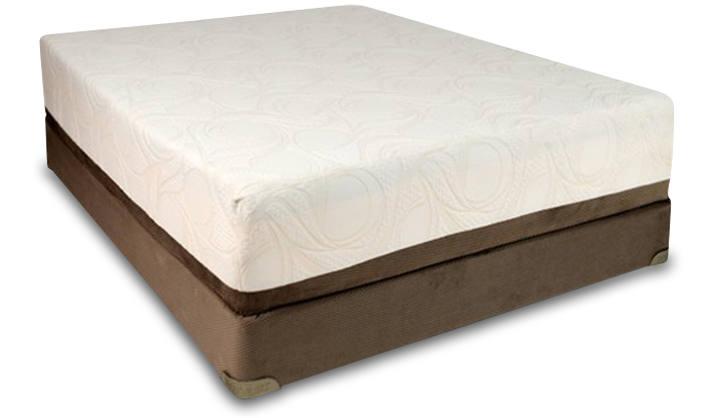
The new Restonic mattress is made of memory foam and my impression is that memory foam is ‘hot,’ too hot for individuals who tend to run hot as a rule. And yet, the TempaGel® is being touted as being especially temperature friendly. The specs point out that the memory foam closest to the surface is ‘gel-infused’ which serves to wick heat away from the body, thereby reducing temperature fluctuations. And, it claims to incorporate a technology (Outlast®, used by NASA as well as other brands, that keeps the the bed temperature-neutral. The bed’s core is pre-compressed, which allows it to improve air circulation, again with the goal of reducing temperature fluctations. Moreover, the edge of the mattress is ventilated, which theoretically increases its sleepable surface (although I don’t know many ‘edge’ sleepers).
The general price point of Restonic mattresses appears comparable to other sleep brands that offer higher end mattresses however, I don’t know the exact price for the TempaGel. And while I have never been particularly interested in memory foam for a sleep surface, I’m intrigued.
As you are probably aware, sleep issues are pervasive as we age and in women, as they go through menopause. And, whether its stress or hot flashes or a medical condition, the result — less than 6 to 8 hours of uninterrupted sleep — can greatly interfere with daily functioning, mood and physical health.
What are you doing to reverse your sleep woes? How important is your mattress? And what are you sleeping on? More importantly, are you sleep habits fueling or cooling your inner and outer furnaces? Inquiring minds…
Read MoreWednesday Bubble: Newsflash – sleep and skin aging

Whoa! I have some news to share this week and it’s not good for those of us who struggle nightly with their sleep. Poor sleep has been linked to premature skin aging and an overall reduced skin health.
In what is being billed as a ‘first of its kind,’ University Hospitals Case Medical Center (Cleveland, OH), explain that their study (which was presented this past April at the International Dermatology Meeting in Edinburgh) evaluated 60 women between the ages of 30 and 49 (who, by the way, were premenopausal) who had been surveyed about their sleep quality using a scientific index. About half of the women reported having poor sleep quality and sleeping five hours or less a night.
Additionally, the researchers evaluated participants’ skin aging in terms of physiological factors (e.g. diminished collagen) and external factors (e.g. UV rays, smoking) that might contribute to skin aging, as well as assessing how well the skin was functioning to keep out damaging substances and maintain moisture.
Finally, the women were asked to maintain a sleep log for a week.
The findings are quite startling. Women who were classified as poor sleepers showed significant signs of aging that are associated with intrinsic (physiological) factors, including fine lines, uneven pigmentation, slackening and reduced elasticity. On the other hand, good sleepers appeared to have half of the signs of aging as their colleagues, and they also recovered more efficiently from factors that stress the skin, such as recovery from sunburn and inflammation. And, skin function was about 30% more efficient in good quality sleepers compared to poor sleepers; for example, they had better recovery from moisture loss tests.
The primary take away from these data, which appears in abstract form in the Journal of Investigative Dermatology, is that poor sleep may accelerate skin aging and hinder or weaken the ability of the skin to repair itself. The key to better skin aging? Get more zzzs!
Read More
Sleep and menopause – going ‘pausal
When was the last time you got a full night’s sleep? A full 8, glorious hours of zzz’s?
Bet you can’t remember.
When was the last time you went ‘pausal™?
Bet you can remember!
It seems that I can’t stop writing about sleep on Flashfree. Additionally, it appears that I continue to write about depression. And the link; it’s more common than you may imagine.
Let me break it down for you: not only does a third of the population have sleep problems, but, by the time midlife and menopause come along, it’s not out of the range of probabilities that women alone comprise that third. Okay, I exaggerate but I am sure that you can understand where I’m going here.
A number of factors affect sleep, including marital status, general health, lack of exercise and caffeine and alcohol. However, according to a recent study in Sleep Medicine, psychological factors rank amongst the highest. In fact, when researchers assessed self-reported information from almost 150,000 women enrolled in the famous Women’s Health Study, they found that the better that women felt in terms of emotional wellbeing and calmness, the better their sleep. On the flip side? Of all the factors potentially associated with the reverse, i.e., severe sleep disruption, the biggest culprits were:
- feeling restless during the day
- depression or poor emotional wellbeing
- general symptoms of feeling poorly (bloating, clumsiness, stomach issues, dizziness, back pain, nausea)
Moreover, these factors did not need to reach the level where they would have been associated with established psychiatric disease. And, they were most closely associated with wakening earlier than expected and then trying to fall back asleep.
Depression is fairly common in midlife, with as many as 40% of women who are in menopause going through some sort of blue period. Anger and hostility, and the inability to express both, can also contribute to depressive symptoms, as can discontent and resentment. This menopausal rage appears to affect many women and may be related to hormonal shifts, especially in perimenopause when imbalances and extremes occur. The key appears to be finding ways to reinstate balance, both inward and outward, which means working through hormone issues and personal issues with a licensed health professional or professionals while also maintaining regular physical activity and surrounding oneself with things that help boost an overall sense of wellbeing.
If you look at the list above, the largest culprits in general insomnia appear to be controllable. Start keeping regular tabs on the following:
- Am I constantly feeling angry?
- What appears to ‘set me off?’
- Do I feel blue?
- Do I feel as though my life is out of control?
- Am I feeling achy, sick, blah most of the time?
- Am I falling asleep and awakening? How often am I able to get back to sleep
- How’s my diet? My physical activity?
It can be difficult to discern the forest from the trees when you are caught up in the daily grind and the emotional rollercoaster of life. Add hormones to the mix and it’s a veritable ‘going pausal™’ waiting to happen. However, take comfort in knowing that you are not alone and there ARE solutions. You simply need to find the best ones for you. Start small and aim big. You may stop counting sheep and dreaming about them again before you know it.
Read MoreHousehold work..the key to better sleep?
 Have I got your attention yet?!
It’s no surprise that hot flashes and night sweats rank among the most important factors when it comes to poor sleep. However. less clear are the factors that may provide a buffer against the flashes. And aside from the usual suspects e.g., crankiness and moodiness or the inability to focus, poor sleep has been linked to heart disease and obesity, among other less desirable health conditions.
So, what can you do?
I’ve written about the benefits of physical activity and amelioration of menopausal symptoms many times on Flashfree. And, I imagine I will continue to do so. But what about sleep? There is evidence that physical activity can help bolster both sleep quality and sleep quantity. Yet, few people have examined the domino effect, i.e. fewer hot flashes ← physical activity → better sleep. Moreover, even fewer have considered the benefits of non-leisure physical activity, like housework.
Now, before you accuse me of setting women back 60 or 70 years, let’s consider exactly what I am suggesting.
According to research, women participate in less leisure time physical activity but greater levels of household physical activity than their male peers. This is apparently truer among ethnicities other than Caucasian (especially African American), who also tend to have greater levels of obesity and poorer sleep characteristics. So, it would follow that by increasing both, women might fare better in the sleep department, right?
In fact, when researchers took a small group of women participating in the larger SWAN study and evaluated their self-reported and scientifically measured sleep patterns for four nights, that is exactly what they found. The group, which was comprised of both White and African-American women, reported having flashes or sweats, were between the ages of 54 and 63, had an intact uterus and were not on medications that could affect hormone levels or symptoms. And while the number of women was quite small (only 52), they fit into the full spectrum of BMI targets (from normal to obese to overweight). In addition to sleep patterns, they also shared details of their most common daily physical activity (how often, how long and how intense) and household/caregiving responsibilities (time spent caregiving, preparing/cleaning up after meals, and routine chores as well the intensity of these activities).
Not surprisingly, women who had greater levels of leisure physical activity were 8 times more likely to report that their sleep quality was better than their less active peers. And, women who reported greater household, non-leisure physical activity awakened fewer times during the night, but only if their BMI levels were lower. Yet, the benefits were mostly seen more among White women. Even more troubling is that the researchers say that they could not determine the ‘why’ of these findings, even though they conducted several different types of analyses and comparisons.
The good news is that for some women, engaging in greater levels of household physical activity and leisure physical may reduce sleep disturbances, especially if they are not overweight. For others, especially my African-American sisters, the mystery remains. African-American women often report more severe hot flashes than their White peers. And while experts have pointed fingers towards rates of obesity or distinctions in estrogen levels or smoking history, the reasons remain unclear.
Meanwhile, while I am not necessarily suggesting that you increase your household responsibilities, I do believe that even with the limitations of this study, more physical activity may beget better sleep and possibly fewer or less severe hot flashes. Finally? Can we please find some effective and viable strategies for women of colour? Although the menopause experience may vary by ethnicity, as women, we need to find solutions that work for most of us, not some of us.
Read MoreArchives
Tags

This work is licensed under a Creative Commons Attribution-NonCommercial-NoDerivs 3.0 Unported License.