


Can yerba mate protect your bones?


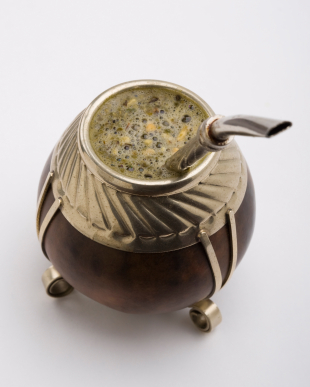 Have you heard of yerba mate? Made from dried, ground leaves and twigs of a tree indigenous to South America (Ilex paraguariensis), yerba mate is a caffeinated beverage that is steeped in hot water and drunk through a metal straw inserted into a dried gourd. This method of consuming yerba mate is known as mate cebado. Like coffee, tea and colas, yerba mate contains a stimulant (xanthine), and on average, contains about 330 mg of caffeine for every (1.5 quarts) consumed.
Why the interest? Well, coffee and consumption of caffeine have been linked to lower bone mineral density, accelerated bone loss and increased fracture risk, all major red flags for women as they age who become increasingly at higher risk for osteoporosis. Conversely, beverages like green and black tea, both of which have considerable caffeine content, are reportedly protective of bone. So, what about yerba mate and your bones?
In study in the January 2012 issues of Bone, researchers looked at the effect of yerba mate in postmenopausal women who drank at least a liter per day (prepared as mate cebado) for five years. These women were sedentary, did not smoke or also drink more than three cups of coffee or tea daily, were not on HRT or bisphosphonate therapy and used alcohol moderately. Yet, when they were compared to women of similar age and menopausal status who did not drink yerba mate, they were found to have higher bone mineral density levels at both the spine and hip. And, when researchers delved deeper, they found that only one other factor — body mass index — similarly and positively affected these BMD measures.
However, yerba mate contains high levels of xanthine, the same stimulant implicated in coffee’s detrimental effect on bone, implying that it wouldn’t be bone protective, right? A possible explanation for these positive bone effects is that yerba mate contains organic compounds, such as in particular, polpyphenols (antioxidant chemicals), flavonoids and alkaloids that may confer these positive benefits.
Before you start changing your caffeine habits, there are a few things that you need to know. Yerba mate has been linked to esophogeal and oral cancer and cancer of the larynx (although this may be associated with the temperature of the drink as well as the compound itself). Because it contains such a high level of stimulant, it may not be safe for people with high blood pressure who are especially sensitive to caffeine or who are taking blood pressure medications. Finally, there is some indication that in high doses, yerba mate can negatively affect the liver. So, it’s a beverage that’s best in moderation (take note lovers of Guayaki Organic Energy Shots!).
Me? I’m going to stick with my coffee habit and counteract any negative bone impact through weight bearing exercise. Still, it’s good to know that yerba mate may be an alternative worth looking into.
Read More
Wednesday Bubble: When it comes to bone health, D is for “don’t bother”
Conventional wisdom suggests that combining calcium with vitamin D improves calcium absorption, and therefore may help prevent fractures resulting from bone loss and the body’s inability to replace bone. Notably, in younger people, the body works efficiently to replace bone after it breaks it down. However, after the age of 30, women begin lose bone mass and as I’ve written time and again in Flashfree, by the time we hit menopause, this process speeds ups, resulting in osteopenia and of course, osteoporosis.
And yet, researchers are now saying that they’ve confirmed that while calcium supplementation (1,200 mg daily) may reduce bone turnover and by default, improve overall bone health, adding vitamin D offers no additional advantage unless a woman has an existing vitamin D deficiency. In this recent study of 159 menopausal women, they compared vitamin D and calcium to calcium alone to vitamin D alone to placebo. They then measured a marker of bone turnover in the blood — PTH, or parathyroid hormone — over a period of six months.
Not surprisingly, they found that when they compared the women taking daily calcium to those who obtained calcium naturally in their diet, calcium was a clear winner, resulting in a significant reduction in bone turnover. However, when vitamin D was added to daily calcium, it did not seem to add any benefit (although it also did no harm).
No harm, no foul?
Not quite. The researchers say that too much calcium is too much of a good thing and that calcium balance is critical. The addition of vitamin D may lead to a condition called hypercalciuria — excessive calcium in the blood — which over time, can impair kidneys. The best practice is a cautious one; consult your practitioner to learn what your calcium levels are and proceed from there. If s/he recommends supplementing natural dietary intake of calcium with supplements, then you are good to go. However, when it comes to D and bone health? Maybe don’t!
In the interim, if you are interested in learning more about calcium do’s and don’ts, the archives hold a wealth of information. Check these posts out!
Read MoreOh dem bones! Time to cut your losses.
 Remember the ‘Capture the Fracture’ post from a few weeks back? In it, I reported that the International Osteoporosis Foundation is urging women and men alike to receive screening for bone loss, especially if they had some sort of fracture in their early years. Ironically, over the weekend, a close friend shared that she had been told that she has osteopenia, i.e. low bone mineral density, and it started me wondering how many of my readers have actually gone to their practitioners for a baseline? Me? I am guilty as charged; in fact, because of an absolutely crazy work schedule for most of this year, I’m very much behind on all my health visits.
So, back to osteoporosis, osteopenia and fragility fractures. I imagine that many of you are growing tired of reading about these topics on Flashfree but I can’t help myself; they’re vitally important.
According to the National Osteoporosis Foundation, by 2020 — a mere seven years from now — more than half of Americans over the age of 50 are expected to have low bone density or develop osteoporosis. Data also suggest that the risk of hip fracture in women is greater than the risk of all female cancers combined. What’s more, women who experience a hip fracture in their later years have almost a 3-fold risk of dying in the three months that follow.
Are you paying attention yet? You should be, because as I’ve written time and again,within the first 10 years of the onset of menopause, women lose up to 50% of their spongy, or trabecular bone (the network that makes up most of bone structure) and up to 30% of their cortical bone (the outer shell).
However, it’s not just hormones at play. In the latest issue of the International Journal of Medical Engineering and Informatics, Portugese researchers are reporting that several factors appear to be associated with an increased fracture risk in menopausal women with and without a history of fracture, including age over 65, lower bone mineral density (BMD), a sedentary lifestyle, and eating or drinking caffeine-containing foods. In population of 127 women, almost 41% had osteopenia and roughly 20%, osteoporosis. Less than 40% had normal bone mineral density values.
However, these factors are not the only variables that you should be thinking about. Research shows that many medications can contribute to bone loss. They include:
- Aluminum-containing antacids
- Antidepressants (SSRIs), such as Lexapro®, Prozac® and Zoloft®
- Gonadotropin releasing hormone (GnRH) such as Lupron® and Zoladex®
- Heparin
- Lithium
- Depo-Provera®
- Methotrexate
- Proton pump inhibitors (PPIs) such as Nexium®, Prevacid® and Prilosec®
- Steroids such as cortisone and prednisone
- Tamoxifen® (premenopausal use)
- Type 2 diabetes medications (Actos® and Avandia®)
- Thyroid hormones in excess
And, a small case study analysis has shown that if you are a woman who has had estrogen receptor positive breast cancer and previously treated with aromatase inhibitors (e.g. Arimidex, Femura), you have a 27% increase for the risk of bone loss and a 21% risk for a hip fracture at an earlier age. Additionally, these events can occur at a higher bone mineral density level than postmenopausal women who have not had chemotherapy.
Short of starting medical therapy with bisphosphonates (which have a rash of problems associated with their use), what can you do? Clearly, a great place to start is with regular weight-bearing exercise and insuring that your diet contains adequate amounts of calcium and vitamin D, although we know that some of amount of bone loss is inevitable as we age. However, before you become frustrated, there are a few lesser known steps that have clinical evidence behind them:
- Eat prunes. Researchers say that as little as 6 to 10 a day can help boost BMD and reduce rates of bone resorption.
- Incorporate onions into your diet. Onions are another type of functional foods that have been shown to improve bone density.
- Eat more sea fish. Data have shown that who make sea fish (not shellfish or freshwater fish) at least 16% of their daily protein intake have greater BMD.
- Talk to your practitioner about taking the lowest effective dose of the medications listed above.
- Drink moderately. One or two alcoholic drinks a day may be protective. More? Not only does your liver hate you but your bones are at risk too.
There’s bad to the bone. And then, bad to the bone. Time to cut your losses, literally…
Read More
Capture the fracture
Sounds like a new reality show for the over 50 set right? But it’s pretty serious.
A new report from the International Osteoporosis Foundation (IOF) demonstrates that one in two women over the age of 50 are at risk for fragility fractures that may be related to bone loss and not only trauma. In other words, broken hip bones, or bones in the wrist, arm or their vertebrae — usually resulting from a fall — may be a signal that something else is also at play. Moreover, the IOF reports that approximately 80% of both men and women who are treated at clinics or hospitals falling a fracture are not receiving screening for osteoporosis, osteopenia (low bone mineral density) and associated risk for future fractures.
So, why does this matter?
Well, according to IOF statistics, half of people who ultimately end up with a fractured hip in old age had a fragility fracture when they were younger. Moreover, 1/6th of menopausal women have had some sort of fragility fracture in their lives. Considering that women in particular lose up to 50% of their spongy, or trabecular bone (the network that makes up most of bone structure) and up to 30% of their cortical bone (the outer shell) within the first 10 years of the onset of menopause, and the body is creating a perfect storm. According to the IOF, up to a quarter of hip fractures can be prevented by early diagnosis and appropriate osteoporosis testing and follow up treatment.
Mind you, the treatments for osteoporosis are controversial. As I’ve written previously, the most popular drugs for osteoporosis — bisphosphonates — may be risky after about 5 years of use and even increase fracture risk in some women. However, there are important non-pharmacologic steps that can be taken to counterbalance risk, such as:
- Weight bearing exercise
- Insuring that you don’t sit too long at any given time while at work (women who sit for more than 9 hours a day have a 50% increased risk of hip fracture)
- Strengthening back muscles, which can help prevent vertebral fractures
- Insuring that adequate amounts of low-fat dairy, tofu and certain green vegetables are included in your daily diet. Note that some plant foods contain substances that can lower amounts of available calcium to the body, e.g. oxylates in spinach and rhubarb or phytates in dried beans, so you want to be sure to counter that with vegetables like broccoli, kale and bok choy, which are low in these substances.
Even if you eat a proper diet and exercise daily, you are still at risk of bone loss and fracture – it’s a natural result of aging and waning estrogen. However, if you are fifty or older and suffer a fracture, heck even if you are slightly younger, request a screening for bone loss and osteoporosis. The IOF says that most clinicians don’t follow this path — possibly due to cost concerns, time or even where the responsibility for care even lies. The latter is particularly important and is much like the ‘Bermuda Triangle,” where experts say that patients can disappear into a maze of “orthopedists, primary care physicians and osteoporosis experts” only never to be seen again (until they break a hip).
As always, information is power and the first point of care is truly you. Want to stay standing well into old age? Capture the fracture now.
Read MoreHeart disease and bone health. Is there a link?
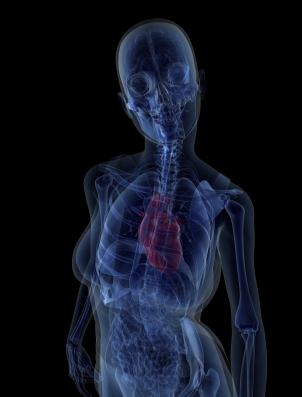
It’s crazy, right? Not only do we have to worry about an increased risk of developing heart disease and osteoporosis and related fractures as we age, but it now appears that the two may be linked. In fact, in a study that will be published early next year in the journal Bone, researcher have found that an increased risk of fracture risk is associated with an increased risk of heart and related illnesses.
The findings, which are based on scientifically verified fracture and cardiovascular measures, show that among more than 300 healthy perimenopausal and post menopausal women who had the greatest likelihood for developing heart disease were 5.4 tines more likely to have a higher risk of a major fracture due to osteoporosis and bone loss, and 3 times more likely to have a higher hip fracture risk than women in the lower heart disease risk categories. This likelihood remained even after adjusting for factors such as years since beginning menopause, BMI, smoking and alcohol use, history of HRT use and level of physical activity.
The researchers acknowledge that although aging has been associated with both of these diseases, the link between the two cannot be explained by age alone.Indeed, other studies have shown that women with high cholesterol levels and other blood fat issues have lower bone mineral density measure. While more work needs to be done, the implication is clear: some of the many issues we potentially face as we age may be linked, especially among women. The message is pretty clear as well: take care of your bones and your heart benefits and visa versa.
Read MoreArchives
Tags

This work is licensed under a Creative Commons Attribution-NonCommercial-NoDerivs 3.0 Unported License.